
ADHD (Attention-Deficit/Hyperactivity Disorder)
Classical Ayurvedic Correlation: Vataja Manovikara
Primary Doshas Involved: Vata (Prana, Vyana, Udana) with Rajas predominance
Overview
Although “ADHD” is a modern diagnostic label, the qualities, behaviors, and cognitive patterns associated with it are clearly described in Ayurveda under Vataja Manovikara—mental and neurological imbalances arising from the aggravation of Vata dosha, particularly Prana Vata, the governing force behind attention, learning, perception, and nervous system regulation.
Classical Ayurveda explains that the mind (Manas) is influenced by three gunas—Sattva, Rajas, and Tamas. Individuals with ADHD typically display excess Rajas (movement, activity, rapid thinking) combined with Vata dosha aggravation (irregularity, instability, lack of grounding). In some cases, a secondary Tamas influence appears as inattention, zoning out, or lack of motivation.
This page explains ADHD exactly as Ayurveda would understand it, using classical constructs found in Charaka Samhita, Ashtanga Hridayam, and Sushruta Samhita, while presenting the information clearly for the modern reader.

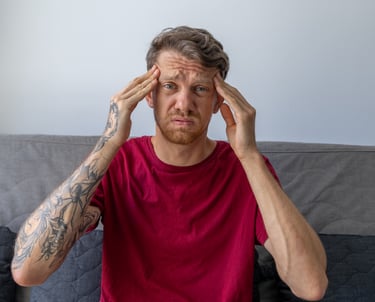
Ayurvedic Understanding of Vataja Manovikara
1. The Mind–Body Axis (Manas, Indriyas, and Doshas)
Ayurveda teaches that all cognitive and behavioral functions arise from the interaction between:
Manas (mind)
Buddhi (intellect)
Smriti (memory & recall)
Indriyas (sense organs & sensory processing)
Doshas, especially Vata
When Vata becomes imbalanced—due to diet, environment, lifestyle, or prenatal factors—it disturbs the natural flow between these systems. This leads to the hallmark symptoms of ADHD:
distractibility
impulsivity
restlessness
difficulty focusing
emotional fluctuation
rapid sensory overwhelm
2. Prana Vata: The Core of ADHD in Ayurveda
Prana Vata, located in the head and governing:
perception
mental focus
attention
memory formation
sensory processing
regulation of the nervous system
When Prana Vata becomes disturbed, the mind becomes:
overly active
quick but unfocused
easily distracted
impulsive
restless
unable to sustain tasks
This is a near-perfect classical match for ADHD.
3. Involvement of Other Vata Subtypes
A complete Ayurvedic reading shows that ADHD involves:
Vyana Vata
governs movement
causes fidgeting, restlessness, and hyperactivity
Udana Vata
governs speech & self-expression
affects learning, articulation, confidence, and verbal impulsivity
Apana Vata
involved when there is anxiety, fear, or irregular routines
Together, these produce the multidimensional symptoms found in ADHD.
4. The Role of the Three Gunas
Ayurvedic psychology says the mind operates through:
Sattva – clarity, harmony, stability
Rajas – activity, movement, desire
Tamas – dullness, inertia, confusion
ADHD is classically described as:
Rajas predominance → hyperactivity, impulsiveness, rapid shifts
Vata aggravation → restlessness, irregularity, scattered thinking
Low Sattva → inconsistent focus, emotional swings
Occasional Tamas → daydreaming, motivational difficulties
This psycho-spiritual framework gives a deeper lens than purely neurological models.
5. Dhi, Dhriti, Smriti – The Three Mental Faculties
Classically, cognitive balance depends on:
Dhi – capacity to learn and understand
Dhriti – ability to retain and stay steady
Smriti – memory and recall
In ADHD:
Dhi is unstable → difficulty processing or absorbing information
Dhriti is weak → difficulty sustaining tasks or controlling impulses
Smriti becomes irregular → forgetfulness, misplacing items, losing track
This triad is foundational in Charaka’s psychology chapters.
6. Manovaha Srotas (Mental Channels)
ADHD symptoms arise when Manovaha Srotas become:
overstimulated (Rajas)
irregular in flow (Vata)
depleted of grounding nourishment (low Ojas)
This leads to inconsistent attention, impulsivity, emotional reactivity, and sensory sensitivity.
Modern Biomedical Explanation (Parallel to the Ayurvedic View)
Modern science explains ADHD as a condition involving neurotransmitters, brain pathways, and nervous system regulation. Ayurveda describes the same pattern through Vata imbalance, Prana Vata disturbance, and shifts in Sattva, Rajas, and Tamas.
When viewed together, the two systems create a clear, complementary understanding of ADHD.
1. Neurotransmitter Regulation → Weak Prana Vata & Low Ojas
Research shows that individuals with ADHD often have altered levels of:
Dopamine
Norepinephrine
These chemicals regulate:
Attention
Motivation
Executive function
Emotional steadiness
When neurotransmitters are low or dysregulated, the brain struggles to filter distractions and maintain focus.
Ayurvedic parallel:
Weak Prana Vata cannot anchor the mind, and low Ojas reduces mental resilience and stability.
2. Frontal Lobe Dysregulation → Vata Disturbance in Mental Channels
The prefrontal cortex (responsible for planning, impulse control, and decision-making) shows reduced activity in ADHD. This leads to:
Poor impulse control
Difficulty planning
Distractibility
Trouble with organization
Difficulty sustaining tasks
Ayurvedic parallel:
This reflects Vata instability within Manovaha Srotas, the channels of the mind. When Vata is overactive, it becomes difficult to steady thoughts or maintain focus.
3. Hyperarousal of the Nervous System → Rajas Predominance
Many ADHD symptoms reflect hyperarousal, including:
Restlessness
Sensory overload
Quick reactivity
Difficulty winding down
Emotional reactivity
This aligns with the Ayurvedic concept of Rajas guna aggravation — the quality of:
movement
stimulation
activity
speed
constant mental shifting
When Rajas dominates, the mind becomes overly active and easily disturbed, exactly as seen in ADHD.
4. Inattention, Daydreaming, and Low Motivation → Tamas Influence
Not all ADHD presents as hyperactivity. In the inattentive type, symptoms include:
Daydreaming
Difficulty starting tasks
Feeling mentally “foggy”
Low motivation
Modern science describes this as reduced activation in brain networks needed for sustained focus.
Ayurvedic parallel:
This aligns with mild Tamas guna, the quality of inertia, heaviness, and mental cloudiness.
In ADHD, Rajas and Tamas can alternate, producing cycles of overactivity followed by mental exhaustion.
5. Genetic Influence → Prakriti, Beeja Dosha & Garbhaja Factors
ADHD has a strong hereditary component, with genetics influencing:
brain development
neurotransmitter regulation
sensory processing
behavior patterns
Ayurvedic parallel:
This reflects:
Prakriti (inherited constitution)
Beeja dosha (genetic tendencies)
Garbhaja karanas (prenatal influences on brain development)
These classical concepts explain why certain cognitive patterns run in families.
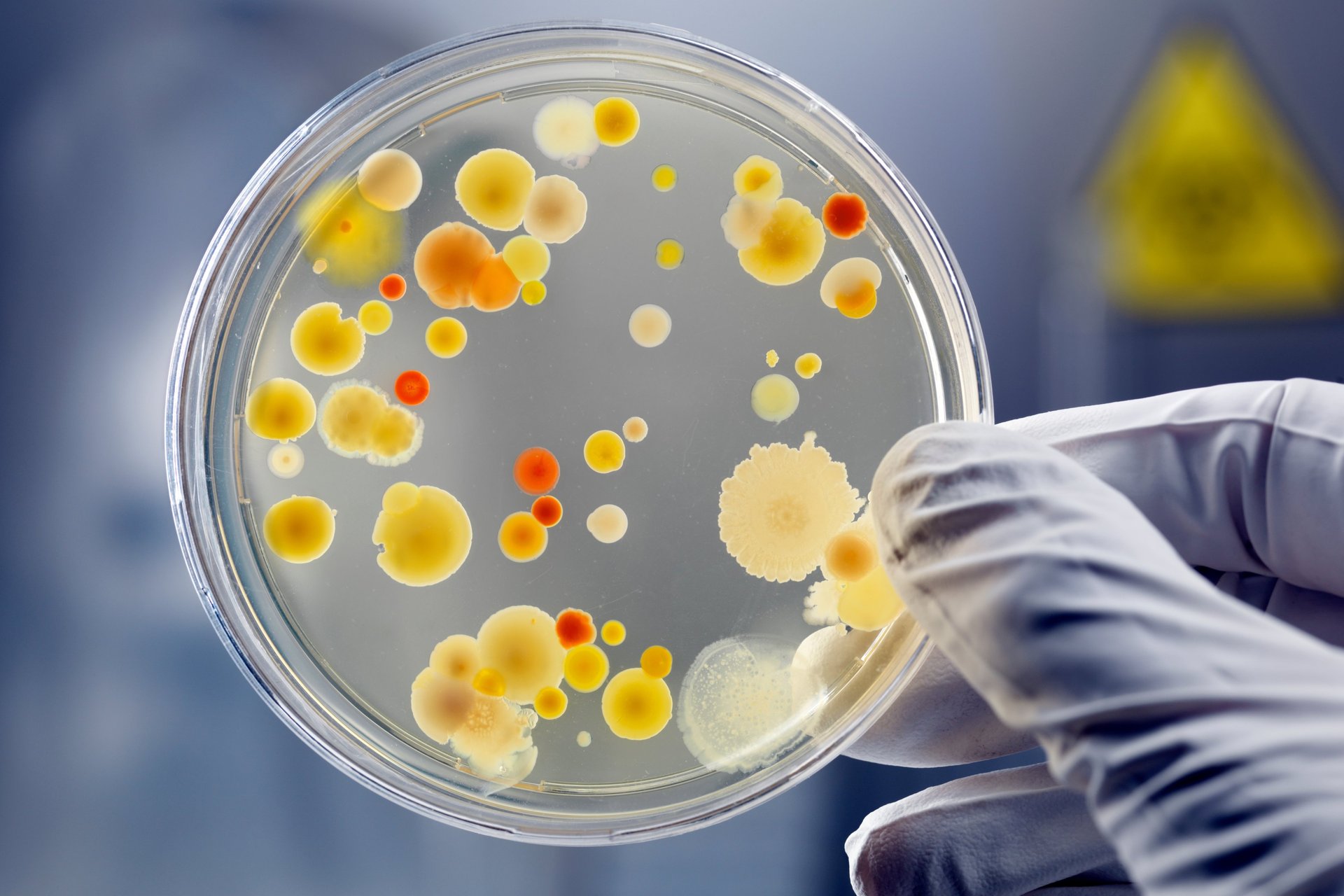
6. Gut–Brain Axis → Agni Dushti & Ama
Modern research shows clear links between ADHD and digestive factors such as:
microbiome imbalance
inflammation
blood sugar instability
food sensitivities
The gut directly influences neurotransmitters, behavior, mood, and attention.
Ayurvedic parallel:
This aligns perfectly with Agni disturbances and Ama accumulation. When digestion is weak, toxins circulate and cloud mental clarity, reducing Sattva and aggravating Vata.
7. Emotional Dysregulation → Vata–Rajas Disturbance
Difficulty managing emotions is common in ADHD:
quick frustration
oversensitivity
low tolerance for stress
emotional impulsivity
Neuroscience links this to dysregulation of the amygdala–prefrontal cortex pathway.
Ayurvedic parallel:
This reflects:
Vata instability → unpredictable emotional responses
Rajas increasing intensity
Low Sattva reducing emotional steadiness
When Sattva increases, emotional clarity and stability improve.
🔥 Root Causes (Nidana)
1. Ahara (Dietary Causes)
Dry, cold, light foods → aggravate Vata
Irregular meal timings → disturb Agni & mental stability
Excess processed foods → weaken Ojas
Caffeine & stimulants → increase Rajas & Vata
Poor nutrition during pregnancy → Garbhaja Vata imbalance
2. Vihara (Lifestyle Causes)
Excess screen time
Overstimulation
Irregular routines
Sleep disturbances
High-activity environments
Inconsistent parenting patterns (for children)
Excess movement with insufficient grounding
3. Manasika (Psychological Causes)
Fear, anxiety, overstimulation → aggravate Vata
Excess ambition or pressure (Rajas)
Emotional volatility or instability
Lack of grounding and Sattvic influences
4. Prajnaparadha (Misuse of Intellect)
One of the three classical causes of all disease:
Overthinking
Sensory overload
Excess multitasking
Irregular routines
Lack of rest
These directly disturb Prana Vata.
Symptoms
Vata-driven symptoms:
Restlessness
Difficulty focusing
Rapid shifting of attention
Fidgeting
Forgetfulness
Poor organization
Irregular sleep
Anxiety
Rajas-driven symptoms:
Impulsivity
Quick speech
Emotional reactivity
Overstimulation
Difficulty sitting still
Tamas-driven symptoms (in some cases):
Daydreaming
Procrastination
Feeling overwhelmed
Lack of motivation
This tridoshic psychological blend is classical Ayurveda at its core.
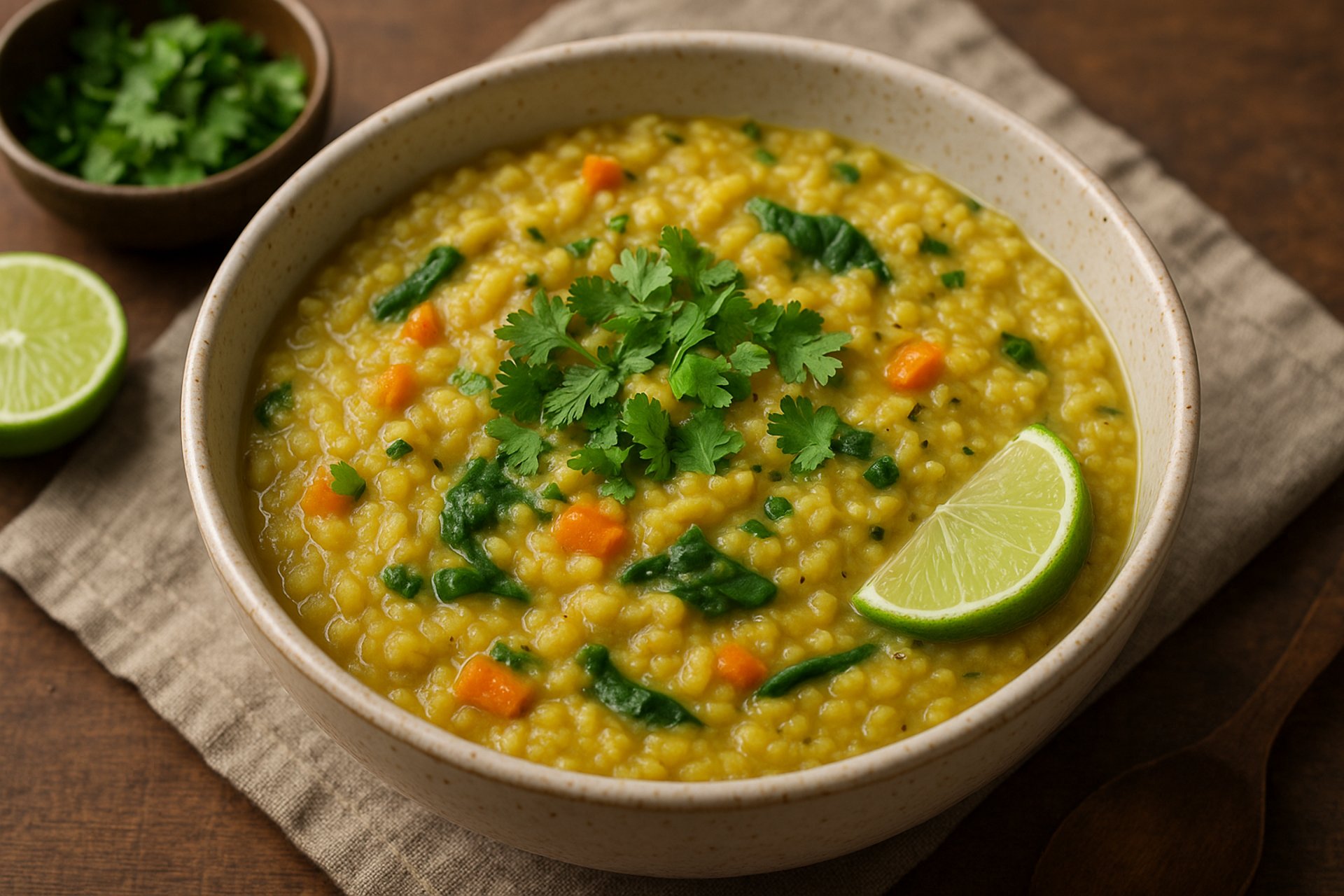
Foods to Favor
1. Warm, Nourishing, Grounding Foods
Kitchidi (mung dal + rice with ghee)
Stews and soups
Soft-cooked grains (oats, quinoa, rice)
Root vegetables (sweet potato, carrots, beets, taro)
Cooked vegetables with ghee
Warm herbal milk preparations (nutmeg, ashwagandha, cardamom)
These foods counteract Vata’s light, dry, mobile nature and stabilize focus and energy.
2. Healthy Fats & Ojas-Building Foods
Ghee
Coconut oil (small amounts)
Sesame oil (warming and grounding)
Soaked almonds
Walnuts
Dates (in moderation)
Healthy fats strengthen the nervous system and support emotional regulation.
3. Protein-Rich Vata-Pacifying Meat Soups (Māṃsa Rasa)
Classical Ayurveda recommends meat soups to pacify Vata, nourish the mind, and rebuild Ojas.
Best Choices for ADHD (Vataja Manovikara):
Goat meat broth (Aja-māṃsa rasa) — light, nourishing, excellent for Vata
Chicken soup — grounding, easily digestible, builds strength
Lamb/mutton broth — deeply nourishing for children/adults with depletion or weakness
Fish soup — unctuous and supportive of Majja Dhatu (nervous system)
Bone broth (Asthi-Majja Rasa) — rich in minerals, collagen, and marrow; stabilizes Vata and supports cognitive function
Classical Method of Preparation
Simmered slowly with:
ghee
cumin
coriander
a small amount of fresh ginger
fennel seeds
Meat soups are one of the most grounding foods for ADHD, as they support brain nourishment, strength, and emotional stability.
4. Digestive-Supportive Spices (Mild, Vata-Pacifying)
Cumin
Fennel
Coriander
A pinch of hing (asafoetida)
Mild fresh ginger (small amounts only)
These regulate Agni without overstimulating the nervous system.
5. Sattvic, Brain-Nourishing Foods
Fresh ripe fruits (especially stewed apples or pears)
Raisins soaked overnight
Almond milk (warm, homemade preferred)
A spoon of ghee in warm milk
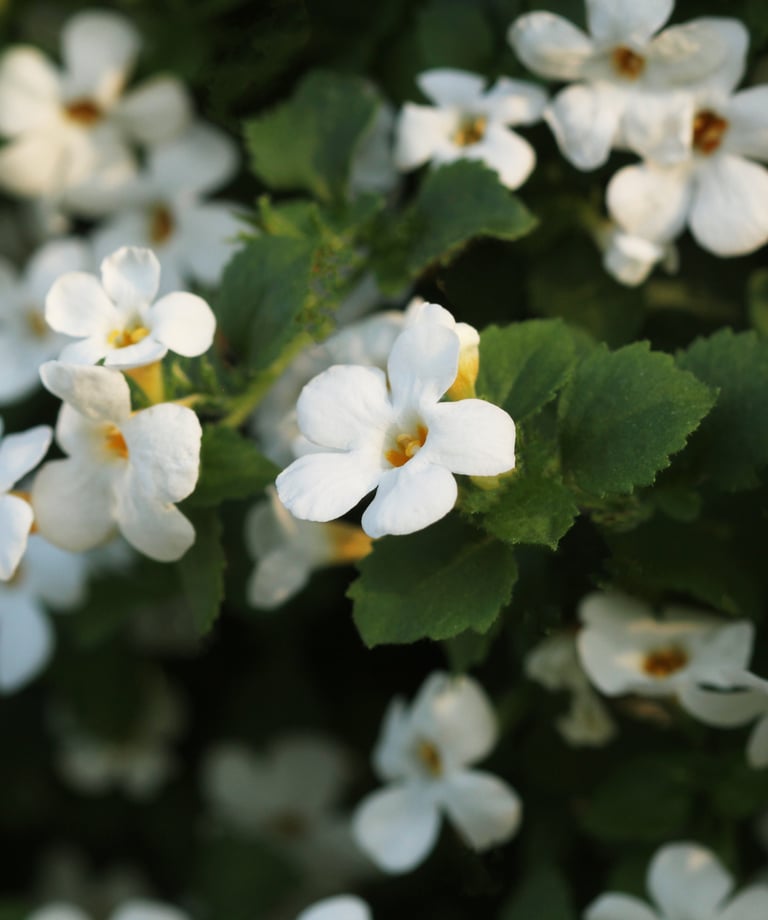
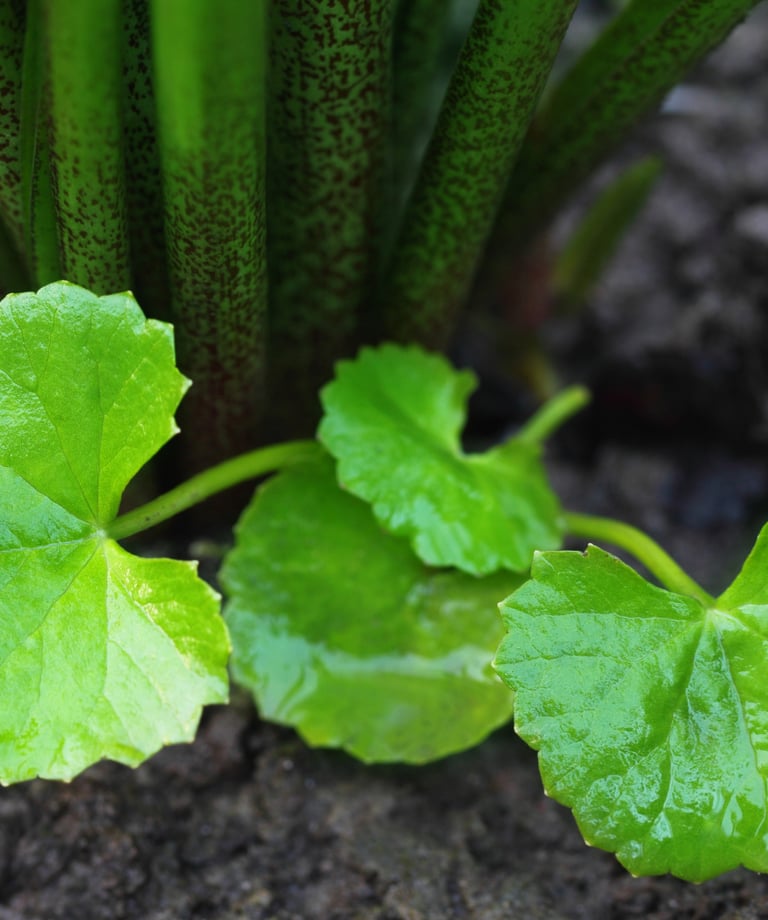
Light herbal teas (brahmi, tulsi, chamomile)*
These foods promote clarity, calmness, and emotional balance.
6. Routine-Stabilizing Foods
Regularly scheduled meals
Warm drinks throughout the day
Minimal snacking to reduce sensory and digestive overstimulation
Summary of Why These Foods Help ADHD
n Ayurveda, meat soups (māṃsa-rasa or yūṣa) are especially recommended for Vata aggravation because they are:
guru (nourishing)
snigdha (unctuous, oily)
balya (strength-promoting)
brimhana (tissue-building)
ojas-enhancing
They calm Prana Vata → improving focus and reducing restlessness
They build Ojas → enhancing emotional stability and resilience
They nourish Majja Dhatu → supporting cognitive function
They stabilize Agni → reducing anxiety and mental cloudiness
They pacify Rajas → lowering impulsivity and overstimulation
Healing ADHD through Ayurveda begins with pacifying Vata and nourishing the nervous system (Majja Dhatu) and Ojas.
The following foods are grounding, warm, stabilizing, and deeply supportive for Prana Vata balance.
Foods to Avoid (Major Triggers)
Caffeine & stimulants
Sugary snacks
Cold, raw foods
Dry snacks: chips, crackers
Fermented, sour foods
Overly spicy foods
Skipping meals
Eating late at night
All of these disturb Prana Vata and weaken Ojas.
Book Your One-on-one Consultation with Dr. Shashina
You didn’t come this far to stop. Make your health your priority!


Top rated by 10k+ clients
★★★★★
Lifestyle Recommendations
Keep a consistent daily routine
Limit screen exposure
Practice grounding yoga: child’s pose, forward folds
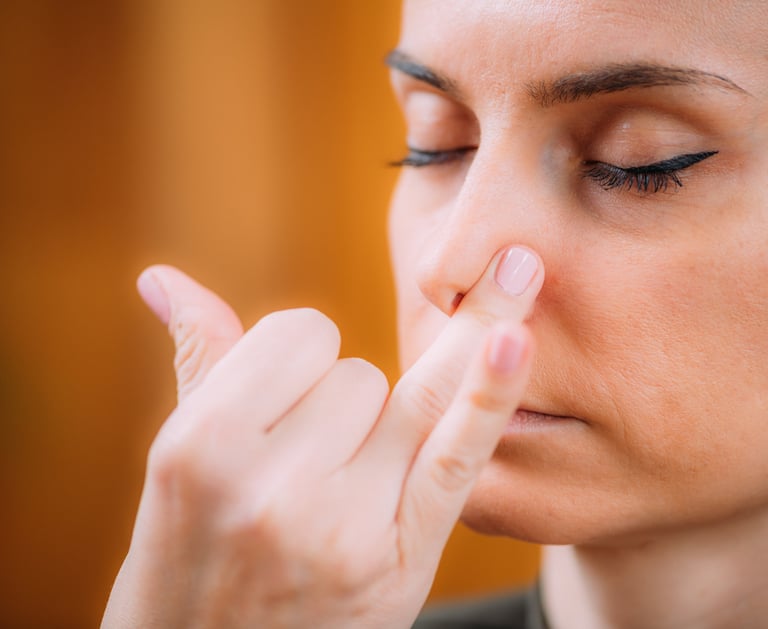
Gentle pranayama: Nadi Shodhana, Bhramari
Prioritize quality sleep
Begin the day with warm, grounding foods
Reduce overstimulation and multitasking
Creating predictability and warmth is key.
Suggested Recipes
Connect
Questions? Reach out anytime, we're here.
© 2026. All rights reserved.