
Acne (Hormonal & Digestive Root Causes)
Ayurvedic Name: Yauvan Pidika / Mukhadushika
Primary Dosha Involved: Pitta–Kapha (with Vata involvement in chronic cases)
Overview
Acne is one of the most common inflammatory skin conditions and is deeply connected to both digestion and hormonal balance. In Ayurveda, acne most closely aligns with Yauvan Pidika or Mukhadushika, conditions marked by the vitiation of Rakta (blood), Pitta, and Kapha. When these doshas accumulate—often due to dietary triggers, hormonal fluctuations, and impaired digestion—they manifest as inflammation, oiliness, congestion, and eruptions on the skin.
While conventional medicine focuses on oil production and bacterial overgrowth, Ayurveda views acne as a sign of heat and toxins rising to the surface due to internal imbalances. The skin reflects the condition of the gut, hormones, and liver, making acne a holistic condition that requires internal and external healing.


Ayurvedic Understanding of Mukhadushika / Yauvan Pidika
Yauvan Pidika develops when:
Pitta increases → leading to heat, redness, inflammation
Kapha increases → causing oiliness, clogged pores, cystic lesions
Vata becomes disturbed → resulting in dryness, scarring, and chronicity
Rakta Dhatu becomes overheated or contaminated
Agni (digestive fire) becomes weak or irregular, leading to Ama
Acne develops slowly and systematically in the body through a combination of dietary habits, hormonal fluctuations, digestive weakness, and lifestyle choices. Ayurveda explains that this condition begins deep within the digestive and blood systems before it appears on the surface of the skin.
1. Disturbance of Agni (Digestive Fire)
The first stage begins when digestion becomes irregular or weak. Eating too many spicy, oily, fried, or fermented foods, or eating at erratic times, causes Agni to fluctuate. When this happens, food is not digested properly, leading to the formation of Ama, a sticky, toxic residue that begins to circulate in the body.
2. Pitta and Kapha Begin to Accumulate
As Ama builds up, Pitta increases in the blood, creating heat, inflammation, and redness.
At the same time, Kapha increases in the tissues, leading to oiliness and congestion.
Together, these create the perfect environment for acne to form: heat pushing upward, and oil accumulating in the skin.
3. Rakta Dhatu (Blood Tissue) Becomes Affected
With repeated exposure to poor diet or stress, the blood tissue becomes overheated and impure. This stage is known as Rakta Dushti. When the blood is inflamed or carrying toxins, the skin becomes the first place where these imbalances appear.
4. Blockage of Skin Channels (Romakupa Srotas)
As Pitta and Kapha build up in the system, the skin’s tiny channels — the hair follicles and oil glands — begin to clog.
Kapha thickens the sebum, Pitta irritates the follicles, and Ama accumulates within the pores. This leads to the formation of:
Whiteheads
Blackheads
Red, inflamed bumps
Painful cystic acne
5. Formation of Eruptions
Once the channels are blocked, the body tries to push impurities outward.
This is when visible acne eruptions occur.
Pitta causes redness and inflammation, Kapha creates swelling and pus formation, and Vata contributes dryness or post-inflammatory marks.
6. Chronicity and Recurrence
If the underlying digestive and hormonal factors are not addressed:
Acne becomes recurrent
Pimples heal slowly
Scarring and pigmentation appear
Flare-ups happen around the menstrual cycle or during stress
The skin becomes oversensitive
Over time, Vata becomes involved, leading to dryness, scars, and inconsistent healing.
Modern Biomedical Explanation (Parallel to the Ayurvedic View)
Acne develops gradually, beginning deep within the skin and the hormonal system long before pimples become visible. Modern science explains acne as a combination of inflammation, excess oil production, clogged pores, and bacterial overgrowth — a process that unfolds in predictable stages.
1. Hormonal Shifts Trigger Oil Gland Activity
In the earliest stage, hormonal changes — especially androgens — stimulate the sebaceous (oil) glands in the skin.
These hormones increase the size and activity of the glands, causing them to produce more sebum than the skin needs.
This is often why acne begins in:
Adolescence
Menstrual cycle changes
PCOS
Stressful periods
Pregnancy
Excess oil creates the foundation for clogged pores and inflammation.
2. Dead Skin Cells Accumulate and Block the Pore
As oil production increases, the pore becomes more likely to trap:
Dead skin cells
Keratin
Excess sebum
Instead of shedding normally, the skin cells stick together inside the hair follicle.
This forms a microcomedone, the earliest invisible precursor to acne.
This stage parallels Ayurveda’s view of Kapha accumulation and channel obstruction.
3. Bacteria Multiply Inside the Blocked Pore
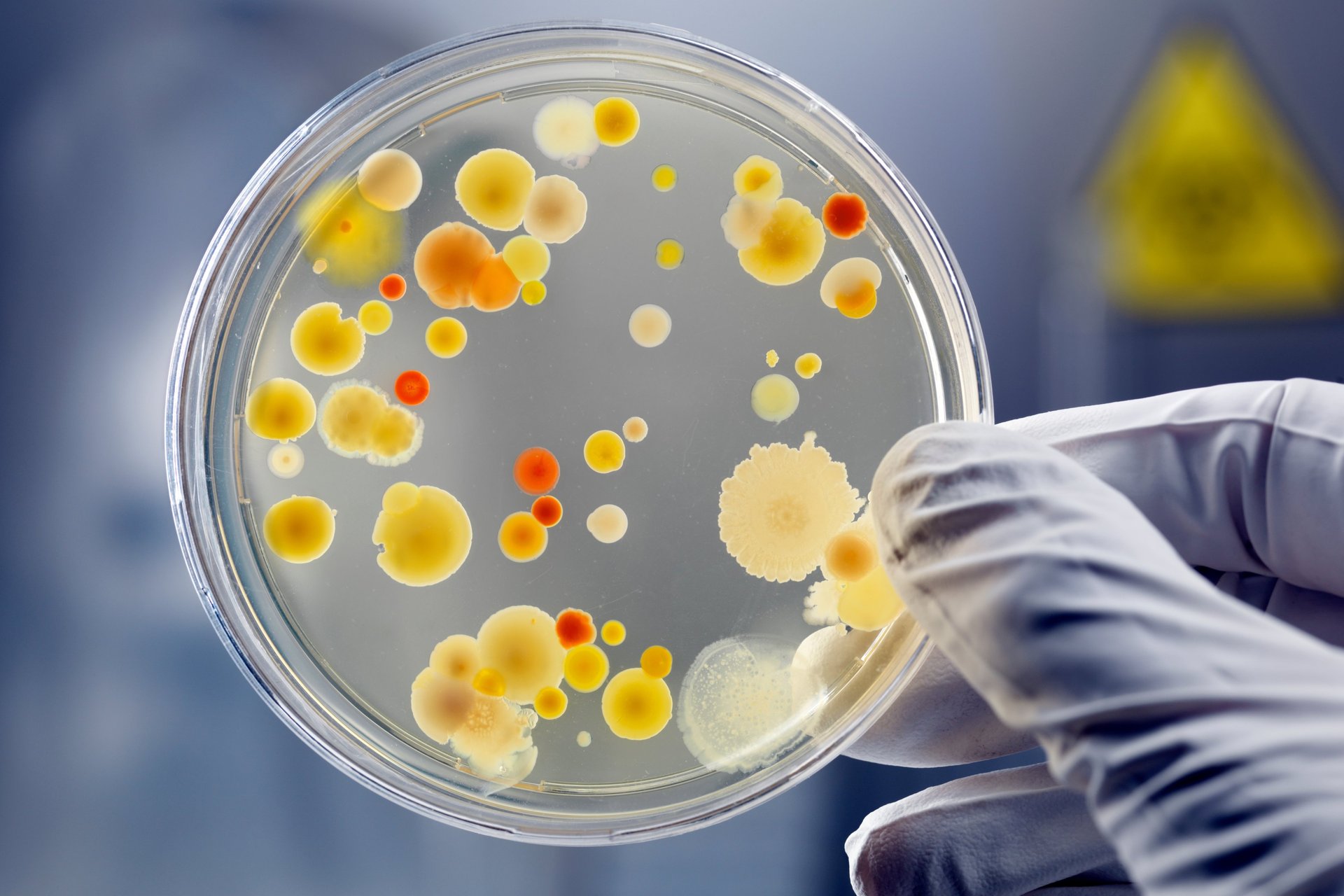
The blocked pore creates a low-oxygen environment where Cutibacterium acnes (formerly Propionibacterium acnes) thrives.
While this bacteria naturally lives on the skin, the clogged pore allows it to multiply rapidly.
As the bacteria feed on trapped oil, they produce substances that irritate the pore lining and trigger inflammation.
This reflects the Ayurvedic concept of Pitta aggravation and Rakta dushti (heat and irritation in the blood and tissues).
4. Inflammation Begins Inside the Follicle
The immune system responds to bacterial activity by sending inflammatory cells to the area.
This causes:
Redness
Swelling
Tenderness
Formation of papules and pustules
This inflammatory response is what turns a small comedone into a visible acne lesion.
This stage strongly mirrors Pitta dominance in Ayurveda, where heat pushes outward.
5. The Follicle Wall Breaks (Leading to Larger Lesions)
If inflammation becomes intense, the follicle wall may rupture.
When this happens, oil, bacteria, and debris spill into the surrounding skin, leading to deeper and more painful lesions:
Nodules
Cysts
Deep inflammatory papules
These lesions take longer to heal and are more likely to scar — a stage that corresponds to Vata involvement in Ayurveda, which leads to dryness, irregular healing, and scarring.
6. Healing, Pigmentation, and Scarring
After the active inflammation settles, the affected area begins to repair itself.
During this stage:
Some people develop post-inflammatory hyperpigmentation (dark marks)
Others develop atrophic scars (pits or depressions), especially when Vata is involved
Ongoing hormonal imbalance or inflammation may cause repeated flare-ups
This mirrors Ayurveda’s understanding that when underlying doshic imbalances remain unresolved, acne becomes cyclical and persistent.
Key Classical Features of Yauvan Pidika:
Pidika (bumps / eruptions)
Daha (burning sensation)
Raga (redness)
Srava (oozing or discharge)
Kandu (itching)
Scarring or pigmentation
🔥 Root Causes (Nidana)
Ayurveda identifies a combination of digestive, hormonal, and lifestyle factors:
Dietary Causes
Excessive spicy, oily, fried, salty foods
Fermented foods
Excess red meat
Excess sugar, dairy, or heavy foods
Sour foods (pickles, vinegar, tomatoes)
Irregular eating patterns
Lifestyle & Emotional Causes
Stress, anger, frustration → Pitta aggravation
Late nights → disrupt hormonal rhythms
Poor sleep → increases inflammation
Exposure to heat, sun, or hot environments
Harsh chemical skincare
Internal Imbalances
Impaired Agni → leads to Ama stored in the blood
Kapha accumulation → blocks pores
Hormonal fluctuations (adolescence, PCOS, PMS)
Heat buildup in the liver and blood (Rakta dushti)
Symptoms
Common symptoms include:
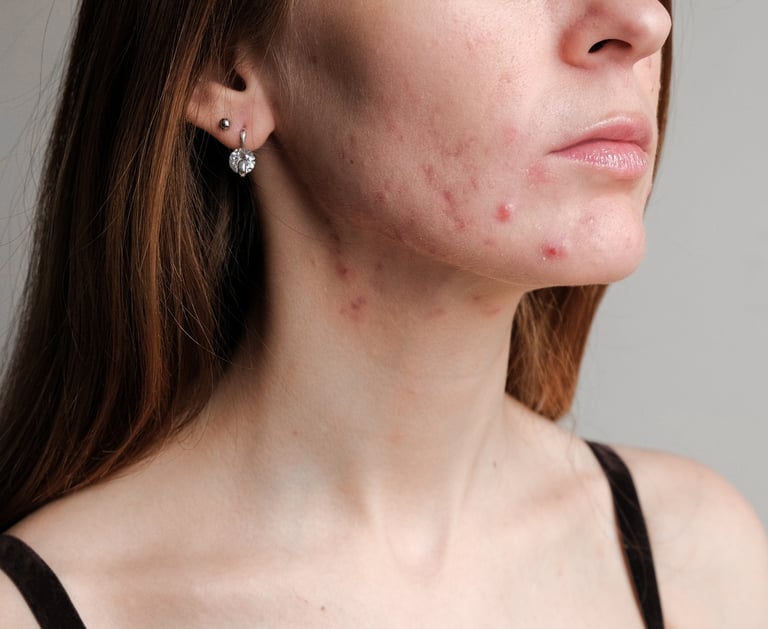
Pimples, pustules, whiteheads, blackheads
Redness, inflammation
Painful cystic acne
Increased oiliness
Hyperpigmentation
Flare-ups around the menstrual cycle (hormonal link)
Post-acne scars due to Vata involvement
Foods to Favor
Cooling & Hydrating Foods
Stewed apples or pears
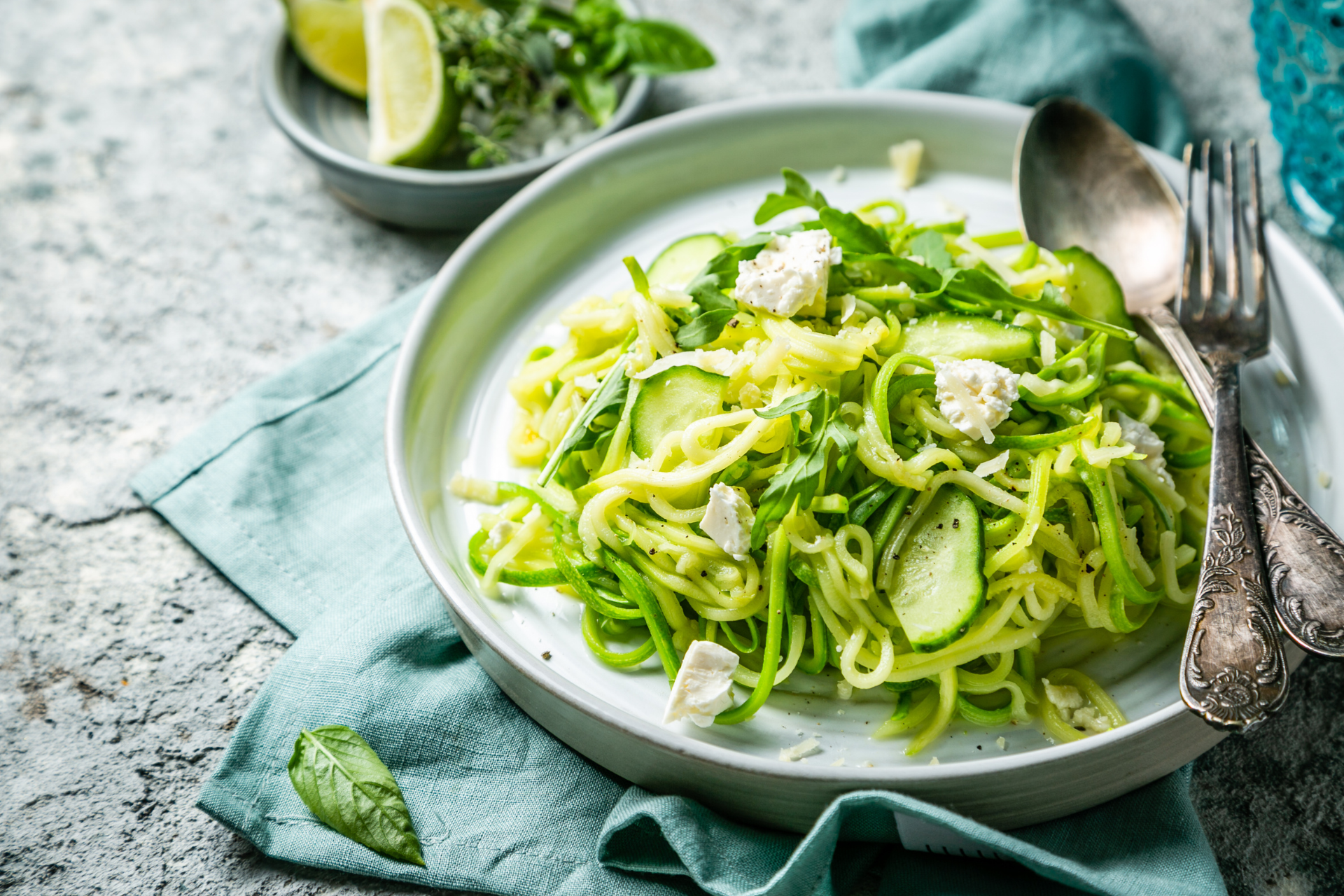
Bottle gourd, zucchini, squash, cucumber (cooked)
Cilantro, mint (mild amounts)
Coconut water (midday only)
Mung dal khichdi
Bitter greens (cooked): fenugreek leaves, kale, collard greens
These foods reduce Pitta, cleanse Rakta, and balance Kapha:
Digestive Stabilizers
Fennel tea
Cumin-coriander-cardamom blend
Aloe vera juice (1–2 tbsp diluted)
Rakta-cleansing Foods (Blood Purifying)
Beets (cooked only)
Pomegranate
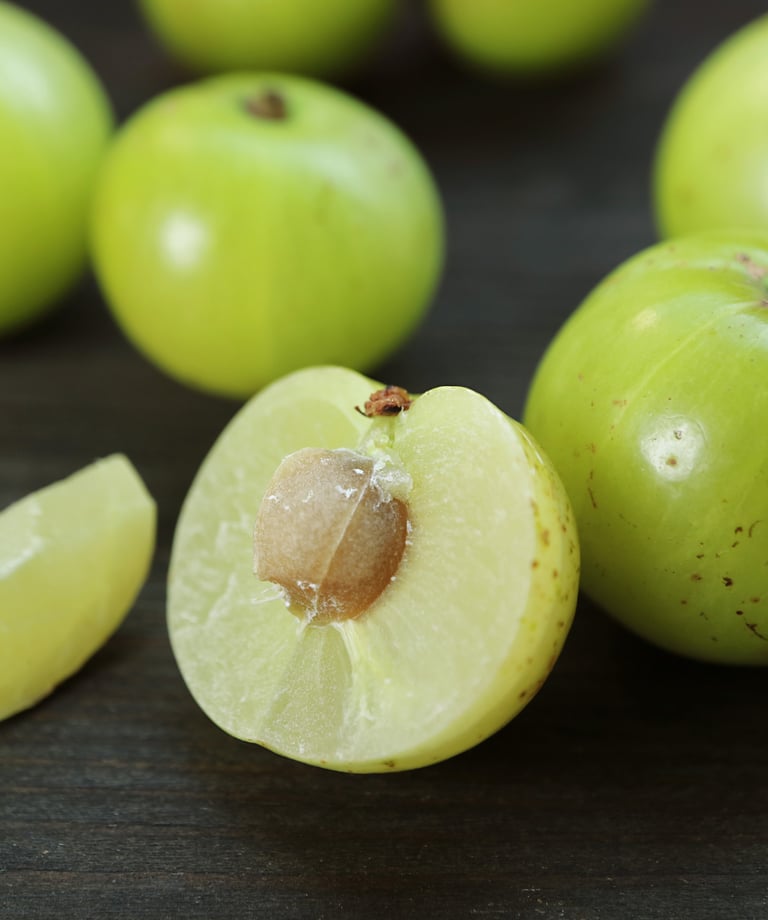
Amla
Turmeric (moderate amounts)
Healthy Fats That Reduce Inflammation
Ghee
Flaxseeds (small amounts)
Avocado (very small, as excess is Kapha-increasing)
Foods to Avoid (Major Triggers)
These directly aggravate Pitta, Kapha, and Rakta:
Pitta-Aggravating
Chilies, hot spices, mustard
Vinegar, tomatoes, tamarind
Sour yogurt
Caffeinated beverages
Kapha-Aggravating
Fried, oily foods
Heavy dairy (ice cream, cheese, milkshakes)
White bread, pastries, sugar-rich foods
Rakta-Contaminating Foods
Excess red meat
Alcohol
Ultra-processed foods
Hormone Disruptors
Soy isolates
Excess commercial dairy
Refined sugar
Book Your One-on-one Consultation with Dr. Shashina
You didn’t come this far to stop. Make your health your priority!


Top rated by 10k+ clients
★★★★★
Lifestyle Recommendations
Maintain regular meal timings
Sleep by 10 PM to stabilize hormones
Avoid touching the face
Avoid picking acne (worsens Vata scars)
Practice gentle pranayama: Nadi Shodhana, Chandra Bhedana
Reduce screen exposure before bed
Use non-comedogenic oils: jojoba, rosehip


Suggested Recipes
Connect
Questions? Reach out anytime, we're here.
© 2026. All rights reserved.